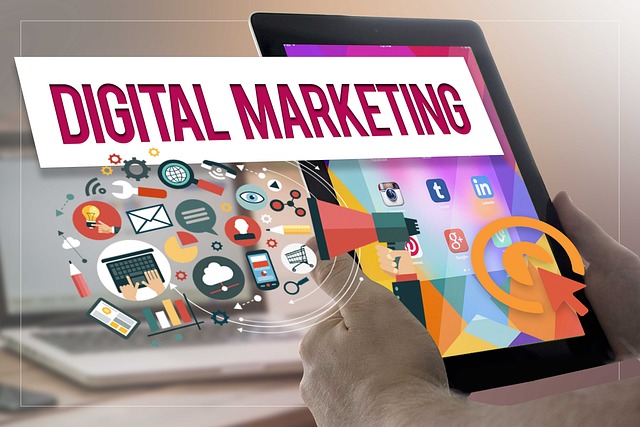
In today’s competitive digital landscape, businesses are constantly searching for marketing strategies that deliver measurable results while building a strong market presence. Two of the most effective approaches are performance marketing and brand marketing. While both aim to drive business growth, they serve different purposes and require different investment strategies.
Performance marketing focuses on immediate, measurable results such as leads, sales, downloads, or website conversions. Brand marketing, on the other hand, emphasizes building trust, recognition, and emotional connections with customers over time.
Many business owners struggle to decide where to invest their marketing budget. Should you prioritize quick wins through paid advertising or invest in building a memorable brand that generates long-term customer loyalty? The answer depends on your business goals, budget, and stage of growth.
This guide explores the differences between performance marketing and brand marketing, their advantages, limitations, and how combining both strategies can maximize long-term success.
What Is Performance Marketing?
Performance marketing is a data-driven digital marketing strategy where advertisers pay only when a specific action occurs. These actions may include:
- Website visits
- Lead generation
- Product purchases
- App downloads
- Form submissions
- Email sign-ups
Unlike traditional advertising, performance marketing focuses on measurable outcomes and return on investment (ROI).
Common Performance Marketing Channels
- Google Ads
- Microsoft Ads
- Meta (Facebook & Instagram) Ads
- LinkedIn Ads
- YouTube Ads
- Affiliate Marketing
- Native Advertising
- Programmatic Advertising
Every campaign is monitored using key performance indicators (KPIs), making it easy to optimize for better results.
What Is Brand Marketing?
Brand marketing focuses on shaping how customers perceive your business. Instead of chasing immediate sales, it aims to build trust, awareness, and loyalty.
Successful brand marketing helps customers recognize your company, remember your message, and choose your products over competitors—even when alternatives are available.
Brand marketing includes:
- Storytelling
- Content marketing
- Social media engagement
- Public relations
- Corporate identity
- Customer experience
- Video marketing
- Community building
Strong brands often enjoy higher customer retention and pricing power because people buy from companies they trust.
Performance Marketing vs Brand Marketing: Key Differences
Feature | Performance Marketing | Brand Marketing |
Primary Goal | Generate immediate results | Build long-term trust |
Time Frame | Short-term | Long-term |
Measurement | Highly measurable | More qualitative |
Focus | Sales and leads | Awareness and reputation |
ROI | Immediate | Gradual but lasting |
Budget Allocation | Campaign-specific | Ongoing investment |
Both strategies are valuable, but they solve different business challenges.
Benefits of Performance Marketing
- Measurable Results
One of the biggest advantages is transparency. You can track impressions, clicks, conversions, and revenue in real time.
- Faster ROI
Performance campaigns often begin generating leads or sales within days, making them ideal for product launches or seasonal promotions.
- Better Budget Control
Businesses can set daily budgets, adjust bids, pause campaigns, and optimize spending based on performance.
- Precise Targeting
Modern advertising platforms allow businesses to target users based on demographics, interests, search intent, location, and behavior.
- Continuous Optimization
Campaigns can be refined through A/B testing, keyword optimization, audience segmentation, and AI-powered bidding strategies.
Benefits of Brand Marketing
- Builds Customer Trust
People are more likely to purchase from businesses they recognize and trust. Consistent branding helps establish credibility.
- Creates Emotional Connections
Brand marketing tells stories that resonate with customers, fostering loyalty beyond price or product features.
- Increases Customer Lifetime Value
Customers who trust a brand are more likely to make repeat purchases and recommend the business to others.
- Supports Premium Pricing
Well-established brands often command higher prices because customers perceive greater value.
- Strengthens Competitive Advantage
A strong brand is difficult for competitors to replicate, providing a lasting edge in the marketplace.
When Should You Focus on Performance Marketing?
Performance marketing is often the right choice if your business wants to:
- Generate leads quickly
- Increase online sales
- Launch a new product
- Test a new market
- Measure campaign ROI accurately
- Scale advertising efficiently
Startups and small businesses frequently rely on performance marketing to build momentum.
When Should You Focus on Brand Marketing?
Brand marketing is ideal when your business wants to:
- Increase brand awareness
- Build long-term customer relationships
- Differentiate from competitors
- Improve customer loyalty
- Strengthen market positioning
Companies in highly competitive industries often invest heavily in branding to remain memorable.
Why the Best Businesses Combine Both
The most successful companies don’t choose one strategy over the other—they integrate both.
Performance marketing generates immediate traffic and conversions, while brand marketing ensures customers remember and trust the business.
For example:
- A user clicks a Google Ad (performance marketing).
- They visit a professional, trustworthy website with valuable content (brand marketing).
- They subscribe to a newsletter and later make a purchase.
- Positive experiences encourage repeat business and referrals.
This combination creates sustainable growth.
How SEO Bridges Performance and Brand Marketing
Search Engine Optimization (SEO) plays a unique role because it supports both strategies.
SEO helps businesses:
- Increase organic traffic
- Build authority
- Improve visibility
- Generate qualified leads
- Enhance brand credibility
Publishing high-quality blogs, optimizing service pages, and earning backlinks improve search rankings while strengthening your brand.
Metrics That Matter
Performance Marketing KPIs
- Cost Per Click (CPC)
- Cost Per Acquisition (CPA)
- Click-Through Rate (CTR)
- Conversion Rate
- Return on Ad Spend (ROAS)
Brand Marketing KPIs
- Brand Awareness
- Direct Traffic
- Branded Search Volume
- Customer Retention
- Social Engagement
- Net Promoter Score (NPS)
Tracking the right metrics ensures your strategy aligns with business objectives.
Common Mistakes to Avoid
Businesses often make these mistakes:
- Focusing only on short-term sales
- Ignoring brand reputation
- Running ads without optimizing landing pages
- Inconsistent messaging across channels
- Neglecting customer experience
- Failing to measure campaign performance
- Underinvesting in content marketing
Avoiding these pitfalls can significantly improve marketing effectiveness.
Future Trends in Marketing
The marketing landscape continues to evolve with technology. Key trends include:
- AI-powered campaign optimization
- Personalized customer experiences
- Voice search optimization
- Video-first content strategies
- Privacy-focused advertising
- Marketing automation
- Omnichannel customer journeys
Businesses that adapt to these trends while maintaining a strong brand identity will be better positioned for long-term success.
Best Practices for Sustainable Growth
To achieve lasting results:
- Define clear business goals.
- Invest in both brand building and performance campaigns.
- Use analytics to guide decisions.
- Create valuable, customer-focused content.
- Maintain consistent branding across all channels.
- Continuously test and optimize campaigns.
- Focus on delivering an exceptional customer experience.
A balanced strategy allows businesses to capture immediate opportunities while building a foundation for future growth.
Conclusion
The debate between performance marketing vs brand marketing isn’t about choosing one over the other—it’s about understanding how they complement each other. Performance marketing delivers fast, measurable results that help businesses generate leads and sales, while brand marketing creates trust, loyalty, and long-term recognition that keeps customers coming back.
For startups and businesses seeking quick growth, performance marketing can provide the momentum needed to gain traction. However, relying solely on paid campaigns can become expensive over time. Investing in brand marketing ensures that your business remains memorable, builds customer confidence, and reduces dependence on paid advertising.
The most successful organizations combine both approaches. By integrating SEO, content marketing, paid advertising, social media, and consistent branding, businesses can achieve sustainable growth, improve customer retention, and maximize return on investment.
Frequently Asked Questions (FAQs)
- What is the main difference between performance marketing and brand marketing?
Performance marketing focuses on measurable actions like clicks, leads, and sales, while brand marketing builds awareness, trust, and long-term customer relationships.
- Which strategy is better for startups?
Startups often benefit from performance marketing to generate quick leads, but they should also invest in branding to support long-term growth.
- Can small businesses use both strategies?
Yes. Even with limited budgets, combining targeted performance campaigns with consistent branding can produce excellent results.
- Is SEO part of performance marketing or brand marketing?
SEO supports both. It generates organic traffic while enhancing credibility and brand authority.
- How do I measure brand marketing success?
Metrics such as branded search volume, direct traffic, customer retention, engagement, and brand mentions help measure branding efforts.
- How long does brand marketing take to show results?
Brand marketing is a long-term strategy. Results may take months, but they often provide lasting benefits and stronger customer loyalty.
- Does performance marketing guarantee sales?
No. It increases the likelihood of conversions, but factors like website experience, product quality, and pricing also influence outcomes.
- Why is customer trust important in marketing?
Trust encourages repeat purchases, referrals, and long-term loyalty, reducing customer acquisition costs over time.
- Should I stop paid advertising once my brand becomes well known?
Not necessarily. Paid advertising can continue to support growth, product launches, and seasonal promotions while reinforcing brand visibility.
- What is the best marketing strategy for long-term success?
A balanced approach that combines performance marketing for immediate results with brand marketing for lasting customer relationships is the most effective path to sustainable business growth.